




















Are we prepared for how deeply AI is reshaping the digital world in 2026? With more industries adopting AI, machine learning, and advanced computing technology, the rapid evolution of this field shows no signs of slowing down.
In fact, studies indicate that AI adoption has soared across sectors in recent years, with businesses and individuals alike seeking ways to enhance productivity, improve customer experiences, and stay ahead of the curve. This demand brings forward the urgent need to keep up with trends that will likely dominate and influence the near future.
AI Report Central delivers the latest AI technology news and insights, keeping you informed on the transformative trends in artificial intelligence and computer technology.
In this article, we’ll cover the latest trends in AI and computer technology, exploring how recent updates in artificial intelligence and new computing innovations impact industries from healthcare to small businesses. We’ll look at advancements in machine learning, next-gen hardware, the latest in generative AI, and emerging solutions for small and medium-sized enterprises.
1. Machine Learning Models Are Becoming More Adaptive
Machine learning models are growing more adaptable and efficient in real-time. With the demand for quicker insights and more flexible applications, 2026 is witnessing a shift from traditional supervised models to those designed for continuous learning. These adaptive models can adjust their processes as they interact with new data, creating outcomes more precisely aligned with shifting business needs.
- Real-time learningis now integrated across systems where data is updated frequently.
- Few-shot learningallows AI systems to learn from fewer examples, significantly enhancing capabilities for personalization.
- Transfer learningis speeding up model training, particularly useful in industries where large amounts of data are challenging to obtain.
As companies look to implementing AI in small businesses and larger organizations, these advancements mean solutions are now more accessible, cost-effective, and customizable.
2. Next-Gen Hardware Is Powering Up AI and Computing Applications
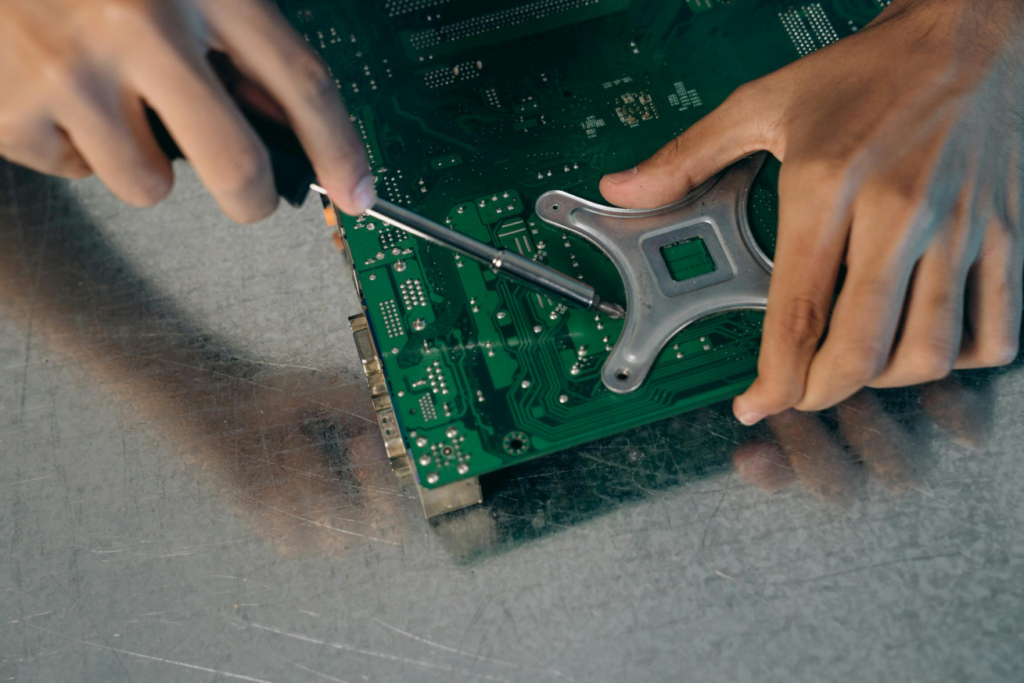
AI demands computing power, and 2026’s hardware innovations are delivering it in new ways. From high-speed GPUs to AI-specific chips, the infrastructure supporting AI has seen an upgrade. These advancements don’t just affect computing speed but also energy efficiency, making them ideal for both high-performance tasks and sustainable practices.
- Quantum Computing: Though still in developmental stages, quantum computing holds the promise of solving complex problems far beyond the capability of today’s fastest computers. Companies like IBM and Google are exploring its potential for AI and computer technology, where quantum algorithms could provide unprecedented insights into data sets.
- AI-Specific Chips: Processors designed solely for AI tasks are becoming mainstream, optimizing machine learning processes and minimizing latency. This advancement is particularly relevant for applications like natural language processing and autonomous driving.
- Neuromorphic Computing: Mimicking the brain’s neural networks, neuromorphic computing is paving the way for more efficient, intelligent machines. These processors are energy-efficient and excel in real-time data processing, making them ideal for sensors in IoT devices and robotics.
3. Generative AI Takes Creativity to the Next Level
The latest in generative AI goes beyond creating images or text—it’s now being applied to industrial design, engineering, and even personalized marketing. Generative AI models like ChatGPT and DALL-E continue to evolve, and businesses are integrating these tools for everything from product design to targeted content creation.
- Content Creation: From copywriting to digital art, generative AI enables faster and more consistent production. Industries that rely on repetitive tasks in content creation benefit greatly from this efficiency.
- AI in Product Design: AI can generate multiple design variations based on specifications, allowing companies to test and iterate faster. This is especially useful in fields like automotive design and consumer electronics.
- Creative Marketing: With tools that tailor content for specific audiences, generative AIis reshaping marketing strategies. These advancements are seeing applications in personalized ads, email campaigns, and customer engagement strategies.
Generative AI’s potential is vast, and as businesses of all sizes integrate these capabilities, we’ll see an expansion in customized solutions that align with client expectations more closely than ever.
4. Enhanced Security through AI-Powered Cybersecurity
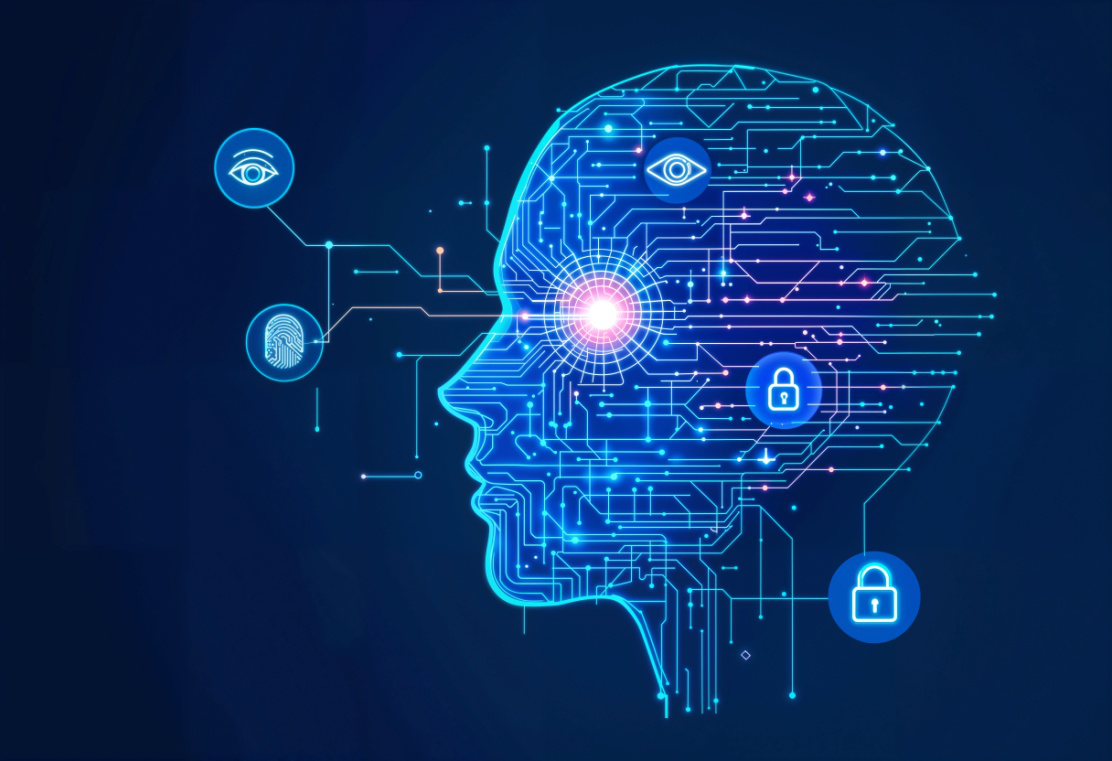
Cybersecurity remains a pressing priority as technology advances, with AI stepping up as a powerful line of defense. AI’s ability to detect anomalies quickly makes it ideal for identifying threats and addressing breaches before they cause major harm. As cyber threats become more sophisticated, so too must our tools for defense.
- Threat Detection: AI algorithms cannow identify even subtle patterns of malicious activity, detecting security breaches earlier than traditional methods.
- Automated Responses: With AI in place, organizations can automate responses to common threats, reducing the workload on IT teams and ensuring immediate action against threats.
- Predictive Analytics: Using machine learning to predict potential threats allows organizations to create preemptive security measures. This is particularly valuable for small businesses that may not have extensive cybersecurity teams in place.
For those looking to secure their networks without breaking the bank, AI-driven cybersecurity solutions provide robust options that don’t require extensive infrastructure.
5. AI’s Expanding Role in Healthcare
In healthcare, AI’s impact continues to grow, with applications that range from data-driven diagnoses to patient monitoring. The integration of AI in healthcare is not just improving outcomes but also helping professionals focus on patient care by automating administrative tasks.
- Diagnostic Tools: AI algorithms can now analyze imaging and lab results faster and with greater accuracy, leading to quicker and more accurate diagnoses.
- Personalized Treatment Plans: Machine learning algorithms use patient data to recommend treatment plans personalized to individual health profiles.
- Telemedicine and Patient Monitoring: AI-based remote monitoring systems track vital signs and alert doctors to any concerning changes, enhancing care accessibility for patients in remote locations.
This is one of the clearest examples of how the latest updates in artificial intelligence are being implemented to meet real-world needs.
6. The Rise of AI in Smart Cities
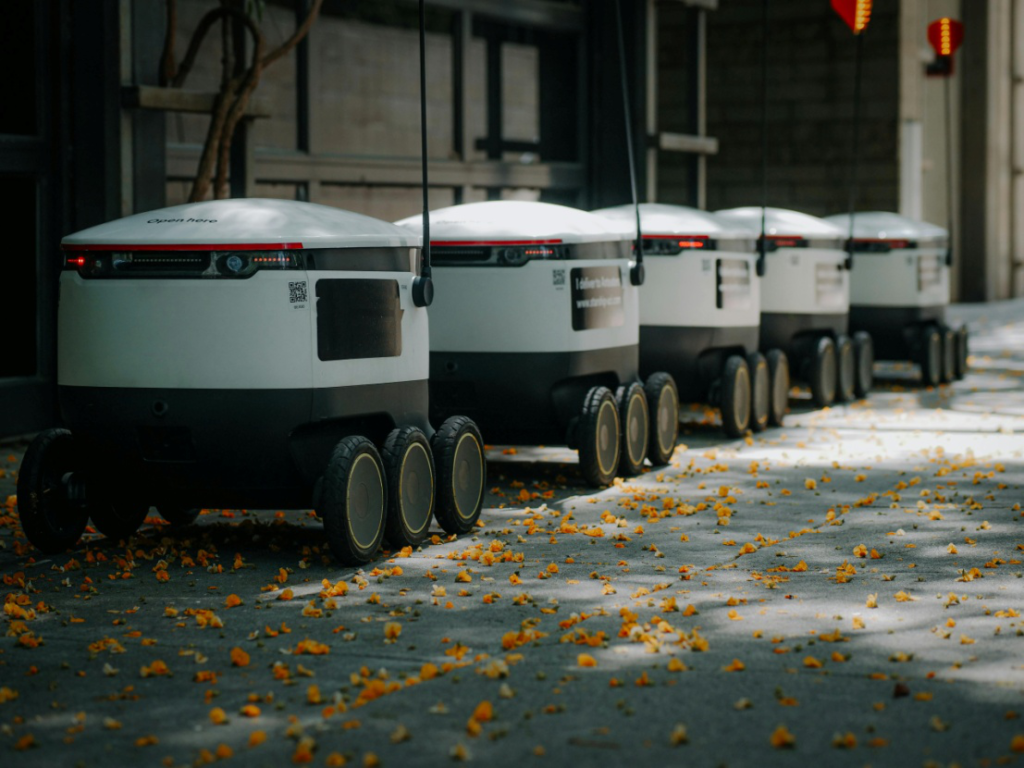
Cities worldwide are increasingly adopting AI-driven technologies to improve infrastructure, enhance public safety, and optimize resources. Smart city projects leverage AI for tasks such as traffic management, waste collection, and even air quality monitoring.
- Traffic Management: AI-powered traffic sensors adjust lights in real time to ease congestion, reducing travel times and fuel consumption.
- Resource Allocation: From water to electricity, AI enables cities to monitor usage and direct resources where they’re most needed, minimizing waste.
- Public Safety: AI-driven video analytics help law enforcement identify potential threats and improve response times. This real-time data processing also enhances emergency response efforts by providing critical information to first responders.
These innovations reflect the direction that trends in AI and computer technology are headed—toward more sustainable, efficient systems that directly impact our daily lives.
Ready to Stay Informed on AI’s Evolution?
As we move further into 2026, keeping an eye on the trends in AI and computer technology will be essential for businesses, tech enthusiasts, and consumers alike. AI Report Central is here to provide the latest AI technology news and insights. Subscribe to our newsletter to stay updated on the impact of AI on computing, new breakthroughs in generative AI, and much more.
Whether you’re a small business looking to implement AI or just curious about recent articles on artificial intelligence, our resources are tailored to meet your needs. Let us help you stay ahead in the ever-changing world of AI and computing. Join us to explore these groundbreaking shifts in technology and how they can benefit your business and lifestyle.